Manual de uso Hikoki G 18DSL2 Amoladora angular

¿Necesita un manual para su Hikoki G 18DSL2 Amoladora angular? A continuación puedes ver y descargar el manual en PDF gratis en español. Este producto actualmente tiene 4 preguntas frecuentes, 0 comentarios y tiene 0 votos. Si este no es el manual que desea, , contáctenos.

¿Su producto tiene algún defecto y el manual no ofrece ninguna solución? Vaya a Repair Café para solicitar un servicio de reparación gratuito.

Manual de uso

Loading…
11
English
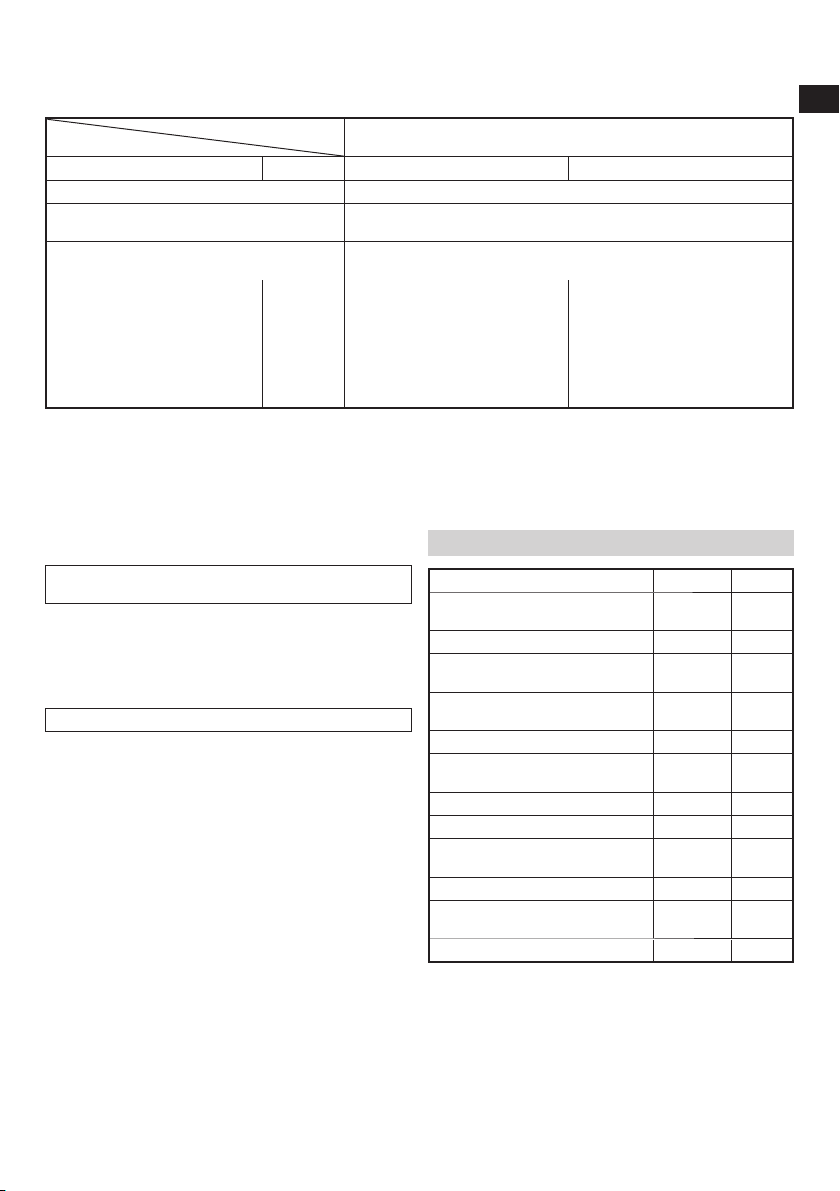
(2) Regarding the temperatures and charging time of the rechargeable battery
The temperatures and charging time will become as shown in Table 2.
Table 2
Charger
Battery
UC18YFSL
Charging voltage V 14.4 18
Type of battery Li-ion
Temperatures at which the battery can be
recharged
0oC–50oC
Charging time for battery capacity, approx.
(At 20oC)
1.5 Ah
2.0 Ah
2.5 Ah
3.0 Ah
4.0 Ah
5.0 Ah
6.0 Ah
8.0 Ah
min
min
min
min
min
min
min
min
22 (4
cells
)
30 (4
cells
)
35 (4
cells
)
45 (8
cells
/4
cells)
60 (8
cells
)
75 (8
cells
)
90 (8
cells
)
22 (5
cells
)
30 (5
cells
)
35 (5
cells
)
45 (10
cells
/5
cells)
60 (10
cells
)
75 (10
cells
)
90 (10
cells
)
120 (10
cells
)
NOTE
The recharging time may vary according to the ambient
temperature and power source voltage.
4. Disconnect the charger’s power cord from the
receptacle.
5. Hold the charger rmly and pull out the battery.
NOTE
Be sure to pull out the battery from the charger after use,
and then keep it.
Regarding electric discharge in case of new batteries,
etc.
As the internal chemical substance of new batteries and
batteries that have not been used for an extended period
is not activated, the electric discharge might be low when
using them the rst and second time. This is a temporary
phenomenon, and normal time required for recharging
will be restored by recharging the batteries 2–3 times.
How to make the batteries perform longer.
(1) Recharge the batteries before they become completely
exhausted.
When you feel that the power of the tool becomes
weaker, stop using the tool and recharge its battery. If
you continue to use the tool and exhaust the electric
current, the battery may be damaged and its life will
become shorter.
(2) Avoid recharging at high temperatures.
A rechargeable battery will be hot immediately after
use. If such a battery is recharged immediately after
use, its internal chemical substance will deteriorate, and
the battery life will be shortened. Leave the battery and
recharge it after it has cooled for a while.
CAUTION
If the battery is charged while it is heated because it has
been left for a long time in a location subject to direct
sunlight or because the battery has just been used, the
pilot lamp of the charger lights for 1 second, does not
light for 0.5 seconds (o for 0.5 seconds). In such a case,
rst let the battery cool, then start charging.
When the pilot lamp ickers (at 0.2-second intervals),
check for and take out any foreign objects in the charger’s
battery connector. If there are no foreign objects, it is
probable that the battery or charger is malfunctioning.
Take it to your authorized Service Center.
Since the built-in micro computer takes about
3 seconds to con rm that the battery being charged with
UC18YFSL is taken out, wait for a minimum of 3 seconds
before reinserting it to continue charging. If the battery
is reinserted within 3 seconds, the battery may not be
properly charged.
MOUNTING AND OPERATION
Action Figure Page
Removing and inserting the
battery
22
Charging 3 2
Fitting and adjusting the wheel
guard
43
Fitting and adjusting the wheel
guard (for cutting)
53
Fixing the side handle 6 3
Assembling depressed center
wheel*
73
Assembling cutting wheel* 8 3
Switch operation 9 4
Grinding angle and grinding
method
10 4
Remaining battery indicator 11 4
Check and replacing the carbon
brush
12 4
Selecting accessories 218
* WARNING
Before use, be sure to tighten the wheel nut with the
included wrench.
NOTE
The wheel washer is speci cally for this product. Do
not use it for any other product.
000BookG18DSL2EU.indb11000BookG18DSL2EU.indb11 2020/09/2514:21:552020/09/2514:21:55
Descargue el manual en Español (PDF, 8.15 MB)
(Piense en el medioambiente y solo imprima este manual si es de verdad necesario)

Loading…

Puntuación

Dé su opinión de la Hikoki G 18DSL2 Amoladora angular calificando el producto. ¿Quiere compartir su experiencia con este producto o hacer una pregunta? Deje un comentario en la parte inferior de la página.
¿Estás satisfecho con elHikoki G 18DSL2 Amoladora angular?
No
Sea el primero en calificar este producto
0 votos

Únase a la conversación sobre este producto

Aquí puedes compartir lo que piensas sobre Hikoki G 18DSL2 Amoladora angular. Si tiene alguna pregunta, primero lea atentamente el manual. Puede solicitar un manual utilizando nuestro formulario de contacto.

Más sobre este manual

Entendemos que es bueno tener un manual en papel para tus Hikoki G 18DSL2 Amoladora angular. Siempre puedes descargar el manual desde nuestro sitio web e imprimirlo tú mismo. Si deseas tener un manual original te recomendamos contactar con Hikoki. Es posible que puedan proporcionar un manual original. ¿Estás buscando el manual de tu Hikoki G 18DSL2 Amoladora angular en otro idioma? Elija su idioma preferido en nuestra página de inicio y busque el número de modelo para ver si lo tenemos disponible.

Especificaciones

Marca Hikoki
Modelo G 18DSL2
Categoría Amoladoras angulares
Tipo de archivo PDF
Tamaño del archivo 8.15 MB

Todos los manuales para Hikoki Amoladoras angulares
Más manuales de Amoladoras angulares

Preguntas frecuentes sobre Hikoki G 18DSL2 Amoladora angular

Nuestro equipo de atención al cliente busca información útil sobre los productos y responde a las preguntas frecuentes. Si encuentra inexactitudes en las preguntas frecuentes, indíquenoslo usando nuestro formulario de contacto.

¿En qué material puedo usar mi amoladora angular? Verificado

Las amoladoras angulares son más adecuadas para su uso en metal o piedra. Las máquinas generan mucho calor y, por lo tanto, son menos adecuadas para su uso en madera o plástico.

Ha sido de gran ayuda (83) Leer más

¿Puedo guardar herramientas eléctricas en un cobertizo o garaje? Verificado

En general, las herramientas eléctricas se pueden guardar en un cobertizo o en un garaje, aunque a veces haga frío allí. Sin embargo, para prolongar la vida útil de la herramienta eléctrica, es mejor guardarla en un lugar seco y sin grandes fluctuaciones de temperatura. En un cobertizo o garaje, las diferencias de temperatura pueden provocar la formación de condensación, lo que puede provocar oxidación. Además, las herramientas que funcionan con baterías duran menos y no se cargan tan bien a temperaturas muy bajas. Para estar seguro de cómo debe almacenarse su herramienta eléctrica, lea siempre detenidamente el manual del usuario.

Ha sido de gran ayuda (60) Leer más

¿Necesito usar protección para los oídos cuando utilizo una amoladora angular? Verificado

Si deberías. Aunque la cantidad de ruido producido por una amoladora angular puede variar entre marcas y modelos, la exposición prolongada a ruidos fuertes puede causar daños auditivos permanentes. Por eso es una buena idea usar protección auditiva.

Ha sido de gran ayuda (29) Leer más

¿Necesito usar protección para los ojos cuando utilizo una amoladora angular? Verificado

Si. Las partículas pequeñas pueden volar durante la molienda. Cuando estos golpean un ojo, pueden causar daño ocular permanente. Por eso siempre es necesario usar protección para los ojos.

Ha sido de gran ayuda (25) Leer más
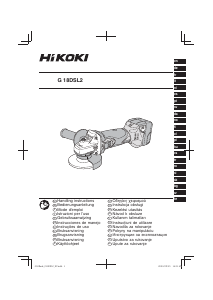
Manual de uso Hikoki G 18DSL2 Amoladora angular

Productos relacionados

Categorias relacionadas

×
Download